
Undergraduate Major
Bachelor of Science in Biomedical Engineering
Biomedical engineering is where engineering meets human health. Whether you are designing medical devices, improving assistive technologies, analyzing human movement, or developing tools that support diagnosis, treatment, rehabilitation, and patient care, this field gives you the opportunity to solve problems with real human impact. At Alvernia, you will not just study concepts. You will design, build, test, and refine solutions that connect engineering, biology, health sciences, and clinical practice. If you are interested in healthcare, technology, biomechanics, and hands-on problem-solving, biomedical engineering is the place to start building your future.
Power the Future
In-Demand Careers
Employment of bioengineers and biomedical engineers is projected to grow 5 percent from 2024 to 2034, faster than the average for all occupations. About 1,300 openings for bioengineers and biomedical engineers are projected each year, on average, over the decade.
High-Earnings Potential
According to the U.S. Bureau of Labor Statistics (BLS):
- Median Salary for Bioengineers and Biomedical Engineers in 2024: $106,950 per year
Job Opportunites
Graduates in biomedical engineering are prepared for careers that connect engineering, healthcare, design, and human performance, including:
- Biomedical Engineer
- Medical Device Engineer
- Rehabilitation Engineer
- Regulatory or Quality Engineer
Career Support at Alvernia
Alvernia's Office of Career Development supports students and alumni in job searches and career planning. Its services include individual career advising; résumé, cover letter, and LinkedIn profile reviews; interview preparation and practice; access to career information as well as internship and job opportunities; career fairs and networking connections; and graduate school application support.

Go Beyond the Textbook
Common First-Year Courses: You do not need to choose your discipline right away. All engineering students begin with the same foundational courses, giving you time to explore your interests before selecting a major in your second year.
Extensive Lab Courses: Almost every engineering course includes a lab where you will work hands-on with real equipment, applying concepts from class to practical challenges.
Clinical Fieldwork: Students explore how engineering connects with Occupational Therapy, Doctor of Physical Therapy, and Nursing. Fieldwork experiences help students observe patient care, clinical workflows, rehabilitation, assistive devices, movement, diagnostics, and monitoring while looking for opportunities for engineering innovation.
Real-World Projects: From your first year to your final semester, you will take on collaborative design challenges, developed with industry partners or research mentors.
Industry-Connected Capstone: In your final year, you will complete a major design project based on a real engineering problem, guided by faculty and professionals in the field.


- Curriculum Built for the Real World
The biomedical engineering curriculum at Alvernia combines engineering, biology, health sciences, design, and ethics. You will study mathematics, chemistry, physics, biology, circuits, statics, dynamics, strength of materials, fluid mechanics, anatomy and physiology, kinesiology, measurement systems, and biomedical engineering electives. Through courses such as Introduction to Biomedical Engineering, students examine biomechanics, biomaterials, biomedical instrumentation, medical imaging, prosthetics, implants, surgical tools, patient monitoring, biomedical codes, human factors, usability, and patient safety.
A Well-Rounded Foundation
The liberal arts core helps you think critically, communicate clearly, and approach challenges from multiple perspectives. It also prepares you to work with people from different professions and backgrounds, which is essential in today’s collaborative workplaces. Biomedical engineers need technical skill, ethical judgment, and the ability to work with engineers, clinicians, patients, companies, and communities.
Ready for What Comes Next
Graduates leave with a strong technical foundation, a practical skillset, and a professional mindset. They are equipped with hands-on experience, problem-solving ability, ethical decision-making, and the adaptability and collaboration skills employers expect. They are ready not only for their first job, but for a successful career. The first class of Alvernia biomedical engineering students is planned to graduate in 2030.
AI That Enhances Your Skills
You will learn to use artificial intelligence as a tool to improve design, testing, and decision-making. It supports the skills you build as an engineer and helps you work more efficiently. At Alvernia, AI is thoughtfully integrated to enhance what engineers are already doing. It is not replacing any part of the curriculum but helping us do it better.
- From Classroom to Career
- Learn from Expert Faculty: Small class sizes mean you will work closely with faculty who know your goals and support your success. With athlete-friendly scheduling and personal attention, you will have the flexibility to thrive both in and out of the classroom.
- Graduate with Experience: Our industry and healthcare partners are excited to offer internships, observations, research experiences, and project opportunities to Alvernia students. Internships are encouraged during the summer and throughout the academic year, giving you the chance to apply what you learn, gain experience, and build your network before graduation.
- Work Across Disciplines: Biomedical engineering students will have opportunities to work with faculty and students in nursing, occupational therapy, physical therapy, biology, allied health, and other health sciences fields through observations, projects, and shared healthcare contexts.
- See Real Results: Most graduates from the School of Engineering completed at least one internship. Most secured full-time job offers before they even walked across the stage.
- Experiential Learning Opportunities
The John R. Post School of Engineering provides access to cutting-edge labs designed to give students real-world experience in key areas of engineering:
- Gait Lab: Analyze human movement, biomechanics, rehabilitation, and performance.
- Anatomage Virtual Dissection Tables: Connect engineering design with anatomy, physiology, and clinical understanding.
- Mechatronics Lab: Explore instrumentation, automation, and biomedical device control.
- Fluids Lab: Study fluid dynamics through hands-on experiments connected to cardiovascular, respiratory, and medical device applications.
- Mechanical Testing Lab: Analyze the strength, performance, and behavior of materials used in devices, structures, and assistive technologies.
- Circuits Lab: Gain practical experience in electrical circuits, sensors, and control systems.
- Application Instructions
Through a rolling admission process, prospective undergraduate students — including first-year, transfer, and international students — may apply via the Alvernia web portal or The Common Application. To learn more about how to complete your application, please visit our application page.
- Financing Your Education
There are options to assist in financing your education and making the tuition affordable. Visit our Student Financial Services page for a detailed overview of the process, including a link to complete the FAFSA application, as well as more information about tuition, the tuition payment plan and the tuition deferment program we offer. Alvernia’s Title IV code for the FAFSA is 003233. The Office of Student Financial Services is available to help with any questions you may have. Call 610-796-8201 or email sfs@alvernia.edu.
- Accreditation Statement
Alvernia is an accredited institution and a member of the Middle States Commission on Higher Education. MSCHE is an institutional accrediting agency recognized by the U.S. Secretary of Education and the Council for Higher Education Accreditation.

John R. Post School of Engineering
With state-of-the-art labs, small class sizes, and industry-connected faculty, students graduate ready to innovate and lead in their field.
Get to Know Your Faculty
For more information about Alvernia’s Biomedical Engineering program contact the Admissions Office at 610-796-8269 or admissions@alvernia.edu. Or reach out directly to Joseph Mahoney, Ph.D., department chair, John R. Post School of Engineering at 484-254-2135 or joseph.mahoney@alvernia.edu.

Kushal Adhikari

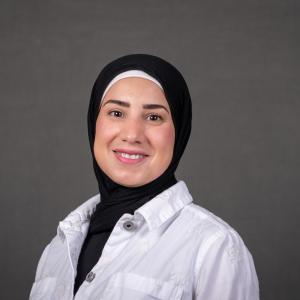
Salem Elsaiah Ph.D.

Joseph Mahoney Ph.D.
Recent News
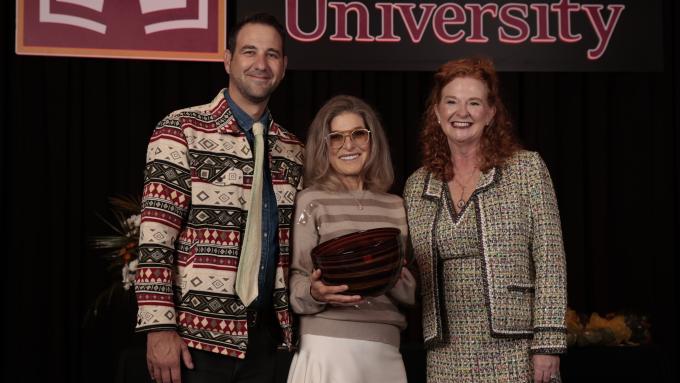
Alvernia honors community leaders, alumni at annual President’s Dinner
Honorees from Greater Reading, Schuylkill County and Lehigh Valley receive recognition for impact on respective communities and the university
Century of Francis Hall celebrated at Homecoming & Family Weekend
A century after Francis Hall, the beating heart of Alvernia, opened as an orphanage, the university shone a spotlight on the building with a slate of activities.

Alvernia unveils nearly 300-foot mural celebrating Schuylkill County heritage
Community art project at Pottsville CollegeTowne connects local history, creativity and collaboration