
Undergraduate Major
Bachelor of Science in Mechanical Engineering
Mechanical engineers don’t just build things, they innovate, design, and create solutions that shape the world. From cutting-edge medical devices and next-generation battery systems to high-performance engines and energy-efficient machines, mechanical engineering is at the core of every industry that moves the world forward.

Go Beyond the Textbook
Our design-forward curriculum puts your skills to work from day one:
• Common First-Year Courses: All engineering majors take the same classes in their first year, giving you time to explore your interests before selecting a major in your second year.
• Extensive Lab Courses: Nearly every engineering course includes a hands-on lab component, allowing you to apply theory to real-world challenges using state-of-the-art equipment.
• Real-World Projects: Every year, you’ll tackle hands-on design challenges, working in teams with industry partners and research mentors.
• Industry-Connected Capstone: Your senior-year project isn’t just for a grade — it’s a real-world engineering challenge in collaboration with top industry professionals.


Power the Future
High-Earnings Potential
According to the U.S. Bureau of Labor Statistics (BLS):
- Median Salary for Mechanical Engineers in 2023: $99,510 per year
Plentiful Openings
Projected Job Growth (2023-2033): About 20,000 openings are expected over the next decade for mechanical engineers, with an 11% increase — faster than the average for all professions (5%), according to the U.S. Bureau of Labor Statistics (BLS).
Job Opportunites
Mechanical engineering offers high salaries, job security and opportunities in industries such as automotive, aerospace, energy, manufacturing and HVAC.
Career Support at Alvernia
Alvernia's Office of Career Development supports students and alumni in job searches and career planning. Its services include interview preparation and practice and access to internship and job opportunities.

Program Overview
- Experiential Learning Opportunities
- Dive into real-world challenges: Engage in hands-on projects, industry problems, and a year-long design course, transforming ideas into solutions
- Explore cutting-edge labs: Innovate in new technical labs and upcoming facilities, shaping the future of engineering education
- Ignite creativity in our Maker Space: Craft prototypes with top-notch tools, fostering innovation in a vibrant environment for hands-on creation.
- Master core skills: The Engineering programs are built on the Liberal Arts backbone of Alvernia University. Develop the critical thinking and communication abilities that employers and graduate schools seek in their engineers.
- Elevate your knowledge: Attend dynamic Lunch & Learn sessions with industry experts, research scholars, and career mentors, fostering professional growth.
- Accreditation
Alvernia is an accredited institution and a member of the Middle States Commission on Higher Education. MSCHE is an institutional accrediting agency recognized by the U.S. Secretary of Education and the Council for Higher Education Accreditation.
The Bachelor of Science in Mechanical Engineering program is accredited by the Engineering Accreditation Commission of ABET, under the commission’s General Criteria and Program Criteria for Mechanical and Similarly Named Engineering Programs.
- Application Instructions
Through a rolling admission process, prospective undergraduate students — including first-year, transfer, and international students — may apply via the Alvernia web portal or The Common Application. To learn more about how to complete your application, please visit our application page.
- Financing Your Education
There are options to assist in financing your education and making the tuition affordable. Visit our Student Financial Services page for a detailed overview of the process, including a link to complete the FAFSA application, as well as more information about tuition, the tuition payment plan and the tuition deferment program we offer. Alvernia’s Title IV code for the FAFSA is 003233. The Office of Student Financial Services is available to help with any questions you may have. Call 610-796-8201 or email sfs@alvernia.edu.
Get to Know Your Faculty
For more information about Alvernia’s Mechanical Engineering program contact the Admissions Office at 610-796-8269 or admissions@alvernia.edu. Or reach out directly to Joseph Mahoney, Ph.D., department chair, John R. Post School of Engineering, and professor of engineering, at 484-254-2135 or joseph.mahoney@alvernia.edu.

Kushal Adhikari

Salem Elsaiah Ph.D.

Joseph Mahoney Ph.D.

Recent News
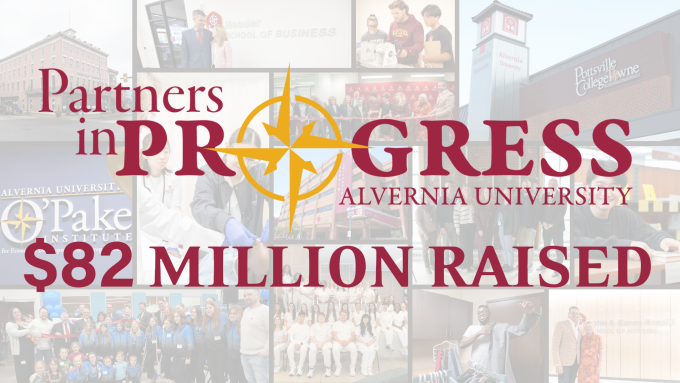
Alvernia University celebrates more than $82 million raised through historic Partners in Progress campaign
Landmark campaign brings Alvernia’s CollegeTowne vision to life
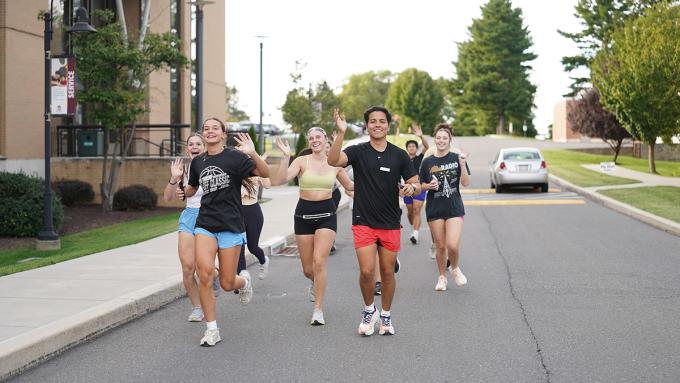
Alvernia Running Club grows through fitness and community
What started as a small group of students meeting for casual runs has grown into an increasingly active campus organization that brings Alvernia University students together through fitness, wellness, and community.
Founded by Emilio Mejia, the Alvernia Running Club provides students of all running abilities with a welcoming space to stay active, build healthy habits, and connect with others.
Alvernia University and Reading Hospital School of Health Sciences Renew Partnership to Expand Healthcare Education Pathways
Renewed agreement continues dual-enrollment pathways, degree opportunities and discounted bachelor’s completion options for RHSHS students