
Undergraduate Major
Bachelor of Arts in Addictions and Mental Health Treatment - Master of Arts in Clinical Couseling Bridge Program
The AMH/MACC degree is designed for students who wish to become ethical professional counselors skilled in treating mental health and addiction disorders. The AMH /MACC program’s mission "is designed to develop professionally ethical practitioners trained within the Franciscan tradition of Alvernia University to promote social justice, dignity and respect for all human life within the community."
Achieve More With a MACC Degree
Multiple Tracks
The addictions and mental health treatment major can be followed as a 3+3 curricular track leading to potential matriculation into the Master of Arts in Clinical Counseling program in the senior year. That addictions and mental health treatment curricular track and the 8-semester plan for the 3+3 year curricular track are specifically detailed and differ from the 8-semester plans for the 4-year undergraduate major in addictions and mental health treatment.
Fast-Growing Profession
According to the Bureau of Labor Statistics, employment of substance abuse, behavioral disorder and mental health counselors is projected to grow 18 percent from 2025 to 2035, much faster than average for all occupations. The median annual wage in 2025 was $59,350.
Career Outlook
After earning your Master of Arts in Clinical Counseling, you can pursue a variety of careers, including:
- Counselor
- Community Health Worker
- Inpatient & Outpatient Rehabilitation
- Chemical Dependency Counselor
- Clinical Therapist
- Substance Abuse Counselor
- Social Worker
- Prevention and Intervention
Career Support
Alvernia's Office of Career Development supports students and alumni in job searches and career planning. Its services include individual career advising; résumé, cover letter, and LinkedIn profile reviews; interview preparation and practice; access to career information as well as internship and job opportunities; career fairs and networking connections; and graduate school application support.

Program Overview
- Application Instructions
Through a rolling admission process, prospective undergraduate students — including first-year, transfer, and international students — may apply via the Alvernia web portal or The Common Application. To learn more about how to complete your application, please visit our application page.
- Financing Your Education
There are options to assist in financing your education and making the tuition affordable. Visit our Student Financial Services page for a detailed overview of the process, including a link to complete the FAFSA application, as well as more information about tuition, the tuition payment plan and the tuition deferment program we offer. Alvernia’s Title IV code for the FAFSA is 003233. The Office of Student Financial Services is available to help with any questions you may have. Call 610-796-8201 or email sfs@alvernia.edu.
- NCE Opportunity
Alvernia counseling students have the opportunity to take the National Counselor Examination (NCE) and choose the NCE because of its portability to other states for licensure purposes. Most students who take the NCE in their final semester of coursework pass this examination on their first attempt. Many graduates of the MACC program have become licensed without delay after successfully completing two years and 3,000 hours of supervised clinical experience as required by law. Alvernia's masters program is available in a 4-year curricular format for part-time students and a 3-year curriculum format for full-time students.
- Experiential Learning Opportunities
AMH
All Addictions and Mental Health Treatment faculty members are experts in the classroom and in their professional areas. Faculty members are actively engaged in research, have written articles that have appeared in prestigious publications and have presented nationally and internationally at conferences.
- 400 hours (12 credits) of practicum field experience required.
- Service opportunities are encouraged through local addictions and mental health agencies.
- Class sessions involve active role plays facilitated by past and present clinical practitioners.
- Students participate in several related student clubs.
MACC
- Attending professional conferences offered through the American Counseling Association and the Pennsylvania Counseling Association. These activities offer the opportunity to network with other professionals at the state and national levels.
- Complete counseling internships among many public and private agencies in Reading, Philadelphia, Lancaster, Pottsville and the surrounding areas.
- Accreditation Statements
- Alvernia’s courses are approved by the Pennsylvania Certification Board (PCB), the foremost drug and alcohol credentialing organization in the state. Certification by the PCB is reciprocal among other U.S. states and internationally. A Bachelor of Arts in Addictions and Mental Health Treatment fulfills the requirement for certification and re-certification of addiction counselors by the PCB.
- The Master of Arts in Clinical Counseling (MACC) is accredited by the Council for Accreditation of Counseling & Related Educational Programs.
- Alvernia is an accredited institution and a member of the Middle States Commission on Higher Education. MSCHE is an institutional accrediting agency recognized by the U.S. Secretary of Education and the Council for Higher Education Accreditation.
Get To Know Your Faculty
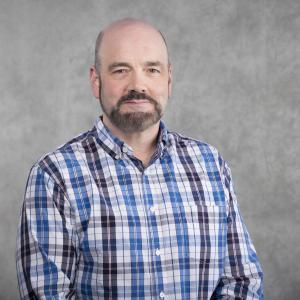
For more information about Alvernia’s Addictions and Mental Health Treatment program, contact the Admissions Office at 610-796-8269 or admissions@alvernia.edu. Or reach out directly to Program Director David Reyher at 610-796-8318 or david.reyher@alvernia.edu.
For more information about Alvernia’s Clinical Counseling program contact the Graduate Admissions Office at 610-796-5187 or gradandadult@alvernia.edu. Or reach out directly to Associate Professor of MACC Nicole Hall at 610-796-8474 or nicole.hall@alvernia.edu.
Recent News
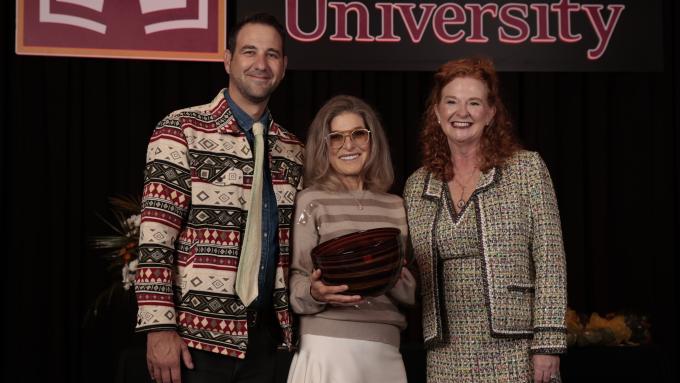
Alvernia honors community leaders, alumni at annual President’s Dinner
Honorees from Greater Reading, Schuylkill County and Lehigh Valley receive recognition for impact on respective communities and the university
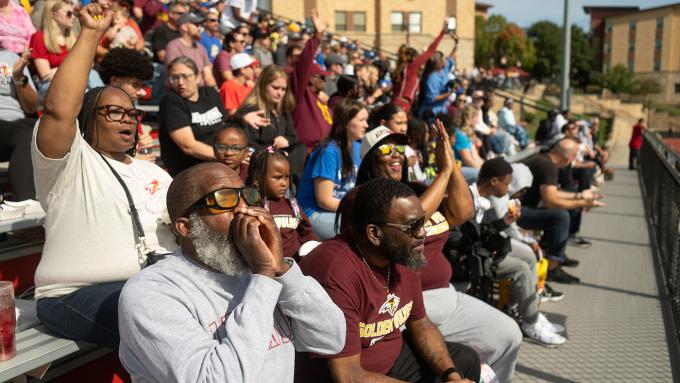
Century of Francis Hall celebrated at Homecoming & Family Weekend
A century after Francis Hall, the beating heart of Alvernia, opened as an orphanage, the university shone a spotlight on the building with a slate of activities.
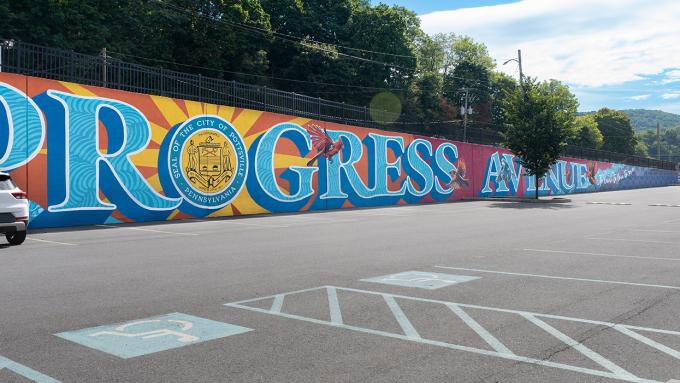
Alvernia unveils nearly 300-foot mural celebrating Schuylkill County heritage
Community art project at Pottsville CollegeTowne connects local history, creativity and collaboration